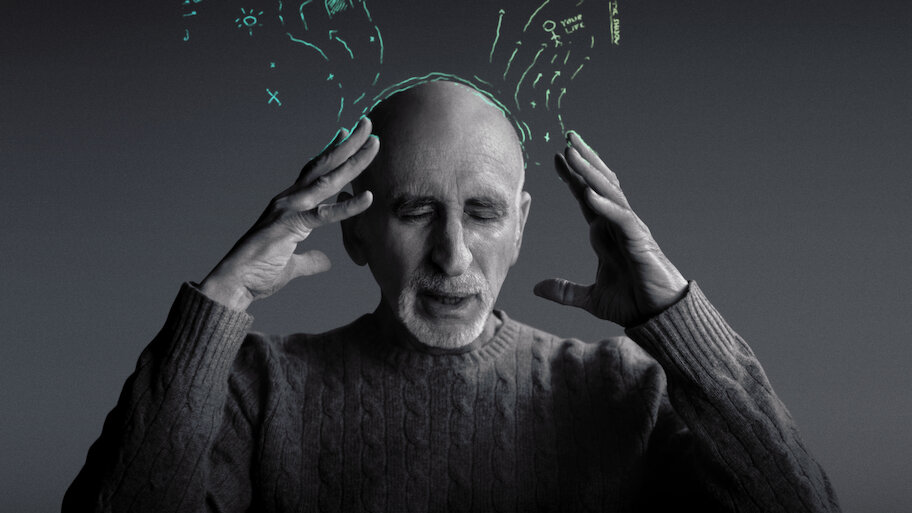
Mental health is an often taboo topic, but Jonah Hill’s Stutz opens up the conversation in a raw, honest and empowering way. This film dives into the life-changing tools developed by Dr. Phil Stutz, a renowned therapist, that challenges viewers to look inward. Heres what I learned from this thought provoking documentary and why it may change your approach to mental health.
Jonah Hill: “I’m making this movie because I want to give people access to the tools that changed my life.”
Stutz is a raw and deeply personal documentary directed by Jonah Hill that offers a rare glimpse into his relationship with his therapist. The film shares how therapy a profoundly shaped Hill’s life. Providing him with the tools and insights to guide life’s challenges such as insecurity, self-doubt, and anxiety.
Dr. Stutz, a well known psychiatrist, shares his own unique therapeutic approach to helping people overcome life’s obstacles and grow, based on practical and actionable tools. The conversations between Hill and Stutz are open and vulnerable in the film, and they reveal both the therapist’s methods and the therapist’s own struggles with being human.
The documentary is in black and white, with a striking visual style that is intimate and timeless. This does the emotional depth of the conversations, and it allows the audience to focus on the raw, unfiltered dialogue between Hill and Stutz. Poignant and uplifting at the same time, the film has its humorous moments and its moments of sincere reflection on life, mental health, and the human connection.
The power of therapy and a transformative product is explored through Stutz, the movie that Jonah Hill is offering to the viewers, and it is something that anyone interested in mental health, self improvement or personal growth should watch.
The Human Condition
Stutz is a reflection on the universal struggles of the human experience. Dr. Stutz introduces the concept of the “three aspects of reality” that everyone faces: pain, uncertainty, and constant work. These unavoidable elements shape our lives, and rather than resist them, Stutz emphasizes the importance of accepting them as a part of our journey.
This perspective is both humbling and empowering. By normalizing the struggles, the film reminds us that we are not alone in facing life’s hardships. Pain is inevitable, uncertainty is ever-present, and personal growth is a lifelong commitment. But within these challenges lies the potential for transformation.
Stutz’s wisdom encourages viewers to reframe their perspective on adversity-not as a failure but as an opportunity for strength and resilience. His practical tools serve as a roadmap to navigate life’s uncertainties, offering hope and empowerment in the face og life’s toughest moments.
Dr. Stutz: “Pain, uncertainty, and constant work-they’re the three aspects of reality that no one can avoid. If you can accept them, you can thrive.”
Some of Stutz Tools
Grateful Flow
One of the most useful tools that Stutz presents is the Grateful Flow, which is a very simple but rather effective exercise that involves actively focusing on things one is thankful for, even when things are not going well. Dr. Stutz states that the practice of gratitude doesn’t mean turning a blind eye to your issues – it means shifting your state to a more positive and empowering one.
The Grateful Flow works by breaking the cycle of negative thinking and instead, directing your focus towards the good in your life. This practice can be as simple as quietly listing down things you are grateful for, no matter how small they may seem. It helps to have a supportive friend, a sunny day, or even a moment of peace to act as a mental anchor to steady yourself during the turbulent times.
This personal tool has helped me in shaping negative feelings of stress or doubt. Every time I am overwhelmed, I take a few minutes to deliberately focus on gratitude and it always seems to calm my mind and brighten my outlook. The Grateful Flow is a gentle nudge that there is always something to be thankful for, during the worst of times.
Stutz urges the viewers to adopt this tool often, so that gratitude does not become just a quick thought, but a process that can change one’s mindset over time.
Dr. Stutz: “Gratitude is the antidote to negativity. You can’t be grateful and angry at the same time.”
Life Force
The only thing of actually capable of guiding you when you feel lost.
———Yourself—————
——————People——————
———————Physical Body———————
Be passionate—
You can do anything you want—
Part X// the invisible force that wants to fuck up your shit, the voice of impossibility
You can not get rid of it.
You can fight against X and with confidence you can beat it.
Dr. Stutz: “You can’t wait until life isn’t hard anymore to be happy.”
The Importance of Vulnerability
The level of honesty throughout the film creates a powerful message, even those who seem to “have it it all”-like a successful Hollywood actor-aren’t immune to life’s challenges. By sharing his journey Hill invites viewers to reflect on their own emotions and the importance of confronting them.
Dr. Stutz reinforces the idea that vulnerability is not a weakness but an opportunity to grow. In therapy, creating a space where emotions are accepted rather than suppressed can lead to breakthroughs in understanding ourselves and relationships. Hill and Stutz’s exchanges highlight how vulnerability deepens connection-not just with others but with ourselves.
As Hill shows, embracing vulnerability isn’t easy, but it is essential. Watching him lay bare his struggles makes the audience realize that the path to healing requires courage, honesty, and self-compassion.
Dr. Stutz: “Your issues are your greatest assets. The world would be better if everyone was willing to share their struggles.”
How Stutz Inspired Me
Watching Stutz reminded me of the importance of self-awareness and the power of small actionable steps towards healing. I’ve started doing things that are good for my soul, it’s really helping me untangle my thoughts and emotions.
Being human is messy and imperfect, by accepting this reality we can find meaning, connection, and growth.
At its core, Stutz is about connection-the connection we build with others, with ourselves, and with those tools that guide us through life. Whether you have a good relationship with therapy or are just beginning to explore mental health, this film has something valuable to offer.
Was Stutz eye-opening for you? Keep the insights coming—subscribe to my blog for more reflections, practical tips, and ways to turn what you watch into real-life growth.
 Mariah Kirbie
Leave a comment