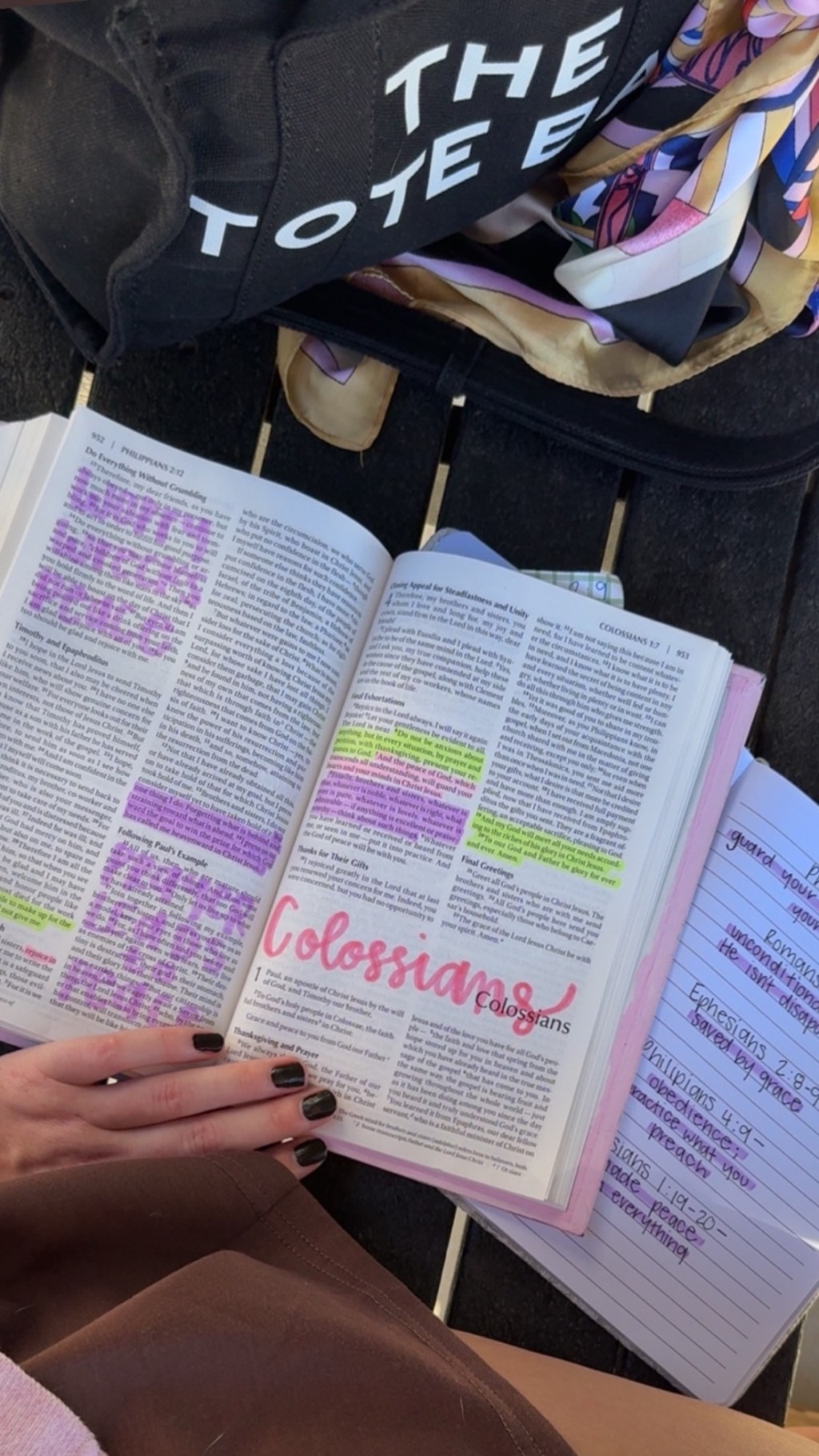
Every church I have visited has been different. However, they all convey at least one recurring message: unity.
At first, hearing it gave me an unsettling feeling. I totally resonate with the idea that we are stronger together. I wasn’t feeling prideful, and I consider myself to be humble. However, something about that message never fully sat right with me. The way I see it, unity isn’t always about constant togetherness or being surrounded by people. Sometimes it’s about how you present yourself when you are together. It’s also about knowing when to step back and go inward.
The strongest connections aren’t about constant proximity — they’re about showing up whole.
I feel most grounded when I’m alone, when I can think, reflect, and hear myself and God clearly. How could a lesson about togetherness speak to someone who feels most whole on her own?
But the more I sat with it, the more I realized: unity doesn’t always mean being physically present. Unity isn’t about constant proximity or showing up for the sake of showing up. True unity is about alignment — with God, with peace, with the people and moments that matter most.
There’s a rhythm to it. Sometimes we step forward into community, into collaboration, into shared energy. Other times, we step back, go inward, and recharge. Both movements are necessary. Even Jesus withdrew from the crowds to pray alone. He was not separate from people. He needed that stillness to return fully present.
Maybe that’s the real lesson about unity: it’s not measured by attendance or appearances. It’s measured by presence, alignment, and intention. And sometimes, presence looks like silence, solitude, and reflection — not standing in a crowd.
Do you think true unity can exist without constant togetherness, or am I missing something?
 Mariah Kirbie
Leave a comment